Some links may earn us a commission at no cost to you. Learn more.
In this guide
How long a power station lasts comes down to one number on the spec sheet and one number on your device. The station’s watt hours tell you how much energy it stores. Your device’s watts tell you how fast it uses that energy. Divide one by the other, take off some losses, and you have a realistic runtime.
Quick answer. A 1000Wh power station lasts about 8 to 9 hours on a 100 W load, around 17 hours on a 50 W laptop and only about half an hour on a 1,500 W space heater. Multiply the watt hours by 0.85 and divide by the watts your devices draw. A 2000W station is a different measure, since watts are output power, so check its watt hours to work out runtime.
This guide gives runtime tables for common station sizes and appliances, explains watts versus watt hours, and covers how many years a station’s battery lasts. We have not tested these products ourselves. Specs come from the linked manufacturer pages, appliance wattages come from a university extension guide, and the runtime figures are our own calculations using the maker’s published formula.
The formula makers use
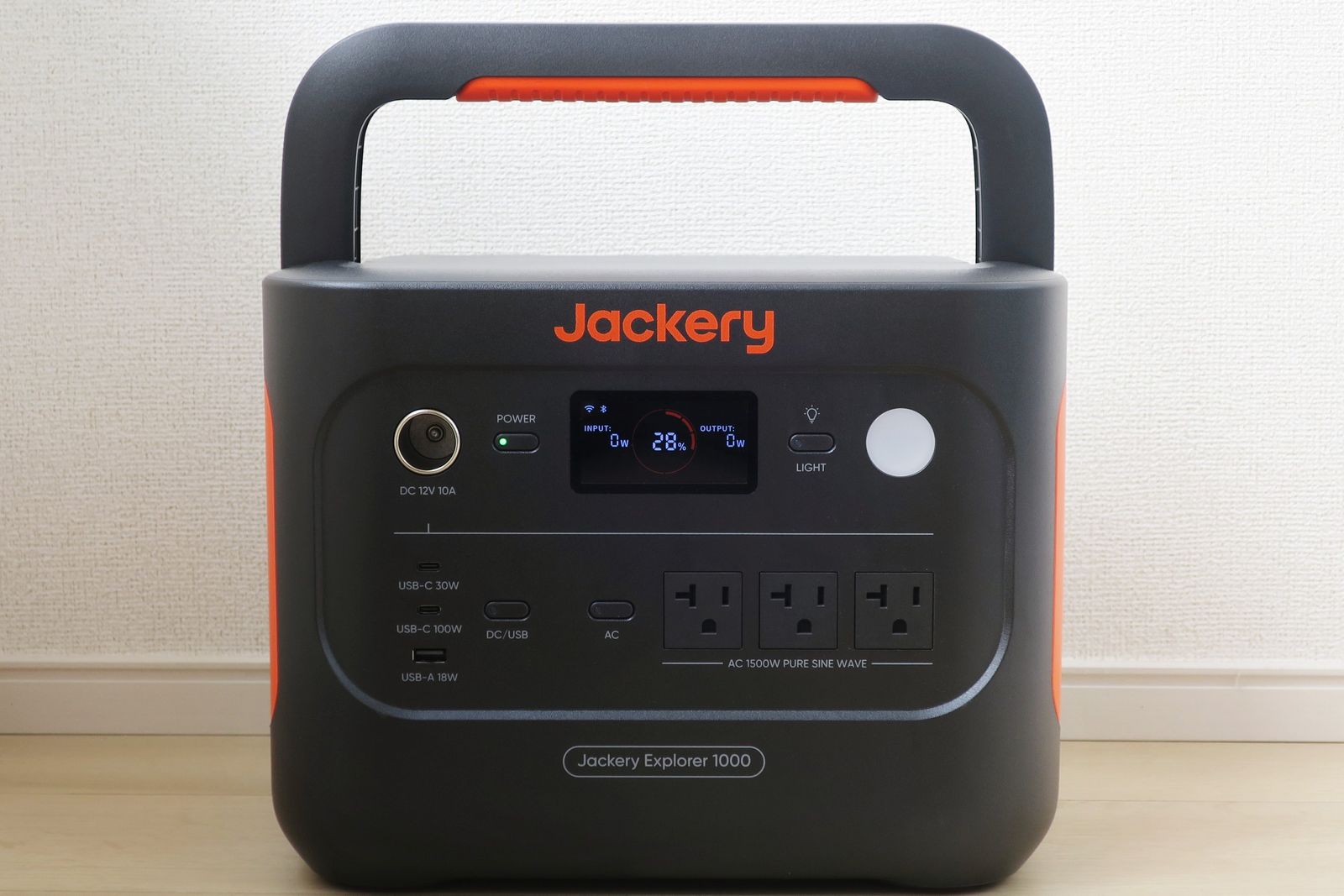
Jackery publishes its runtime formula plainly. In its guide to powering a computer and its help center article on runtime, working time equals capacity in watt hours times 0.85, divided by the operating wattage of the device. Its own example puts a 1,070 Wh Explorer 1000 v2 at about 9 hours on a 100 W device.
The 0.85 is a planning allowance for the energy lost when the station’s inverter converts stored battery power into AC. Independent testing backs up a cautious factor. In OutdoorGearLab’s power station tests, measured usable AC capacity ranged from 75 to 93 percent of the claimed watt hours across the units in its table.
So the working rule is simple.
| Step | What to do | 1000Wh example at 100 W |
|---|---|---|
| 1 | Find the station’s capacity in watt hours | 1,000 Wh |
| 2 | Multiply by 0.85 for losses | 850 usable Wh |
| 3 | Add up the watts your devices draw | 100 W |
| 4 | Divide usable Wh by watts | 8.5 hours |
Our power station runtime calculator runs this sum for several devices at once and adds a safety reserve.
Watts versus watt hours
These two numbers are easy to mix up, and many product names add to the confusion.
| Spec | What it measures | What it decides | Example from maker pages |
|---|---|---|---|
| Watt hours (Wh) | Energy stored in the battery | How long it runs | Jackery Explorer 1000 v2 holds 1,070 Wh |
| Rated output watts (W) | Power it can deliver continuously | Which devices it can run at once | The same unit is rated 1,500 W |
| Surge or peak watts | Short burst for motor starts | Whether a fridge or pump can start | The same unit lists 3,000 W surge |
Figures are from Jackery’s Explorer 1000 v2 page. A bigger watt rating lets you run hungrier devices, but it never makes the battery last longer. In fact, running near full output drains a station fastest.
Runtime chart by station size and appliance
The table uses 0.85 usable capacity and typical nameplate wattages from Virginia Tech Extension’s generator guide. Your devices may draw more or less, so check their labels.
| Device and typical watts | 500Wh station | 1000Wh station | 2000Wh station | 3000Wh station |
|---|---|---|---|---|
| Laptop, 50 W | 8.5 h | 17 h | 34 h | 51 h |
| Electric blanket on high, 100 W | 4.3 h | 8.5 h | 17 h | 25.5 h |
| Ceiling fan, about 100 W | 4.3 h | 8.5 h | 17 h | 25.5 h |
| Flat screen TV, 120 W | 3.5 h | 7.1 h | 14.2 h | 21.3 h |
| Refrigerator, cautious 240 W average | 1.8 h | 3.5 h | 7.1 h | 10.6 h |
| Microwave or coffee maker, 1,000 W | 26 min | 51 min | 1.7 h | 2.6 h |
| Space heater on high, 1,500 W | 17 min | 34 min | 1.1 h | 1.7 h |
A few notes on the rows.
- Ceiling fan. Virginia Tech lists 65 to 175 W, so 100 W is a midpoint.
- Refrigerator. Virginia Tech lists a 16 cubic foot frost free fridge at 725 W and says a fridge runs about a third of the time. A third of 725 W is about 240 W, which is cautious. Many newer fridges average far less, so try the refrigerator runtime calculator with your model’s numbers.
- Microwave and heater. These are high power loads. The station’s rated output must cover them, and a 500Wh class station may not be able to run them at all.
How long will a 1000Wh power station last in an outage?
For most households, a 1000Wh station is an essentials battery. A sensible overnight plan might look like this.
| Load | Watts | Hours used | Energy used |
|---|---|---|---|
| Laptop for work | 50 W | 4 h | 200 Wh |
| Ceiling fan or electric blanket | 100 W | 4 h | 400 Wh |
| TV in the evening | 120 W | 2 h | 240 Wh |
| Total | 840 Wh |
That uses roughly all of the 850 usable watt hours. Add a fridge and you would need to drop something or recharge. So a 1000Wh station is best treated as an overnight essentials battery. If you want a fridge plus essentials through a whole day, look at the 2,000 Wh class, and see our power station for home backup buying guide for how to size it.
How long will a 2000W power station last?
People often search for a 2000W power station when they mean a station with about 2,000 Wh of storage. Check both numbers. Here are two real examples from maker pages.
| Model | Capacity | Rated output | Usable at 0.85 | At 200 W | At full rated output |
|---|---|---|---|---|---|
| Jackery Explorer 2000 v2 | 2,042 Wh | 2,200 W | About 1,736 Wh | About 8.7 h | About 47 min |
| EcoFlow DELTA 2 Max | 2,048 Wh | 2,400 W | About 1,741 Wh | About 8.7 h | About 44 min |
Runtimes are our calculations from the maker capacity figures. If you really do plan to run 2,000 W loads such as a kettle or heater, expect less than an hour from any station in this class. For long outages, an expandable model helps. EcoFlow says the DELTA 2 Max expands to 6,144 Wh with extra batteries, and our expandable power station guide compares that route.
How many years does a power station last?
The other meaning of how long a power station lasts is its lifespan. That is set mainly by battery chemistry and cycle rating.
| Model | Chemistry | Rated cycles | Capacity left at that point |
|---|---|---|---|
| Jackery Explorer 1000 v2 | LiFePO4 | 4,000 | 70% or more |
| EcoFlow DELTA 2 Max | LFP | 3,000 | 80% |
Ratings are from the linked Jackery and EcoFlow product pages. One full charge and discharge is one cycle. Even at one full cycle every day, 3,000 cycles is a little over eight years, and backup stations that sit charged between outages cycle far less. Store the station somewhere cool and dry and follow the maker’s storage and recharge advice.
How fast can you refill it?
Runtime matters less if you can recharge quickly between outages or when power briefly returns.
| Model | Wall charging per maker | Solar input per maker |
|---|---|---|
| Jackery Explorer 1000 v2 | 1.58 h standard, about 1 h in Emergency Super Charge mode | See Jackery page |
| Jackery Explorer 2000 v2 | About 1.7 h in Emergency Super Charge mode | See Jackery page |
| EcoFlow DELTA 2 Max | Up to 1,800 W AC input | Up to 1,000 W |
Solar recharge depends heavily on sun and panel size. Estimate yours with the solar charging time calculator. A car socket is slower still, as our guide to charging a power station from a car explains.
Ways to make a power station last longer
- Use DC where you can. Charging phones and laptops from USB ports avoids some of the inverter loss that AC outlets carry.
- Turn the AC inverter off when idle. Stations draw a little power just to keep the inverter on. This matters most for tiny loads such as a router, which our guide to keeping Wi-Fi on during a power outage covers.
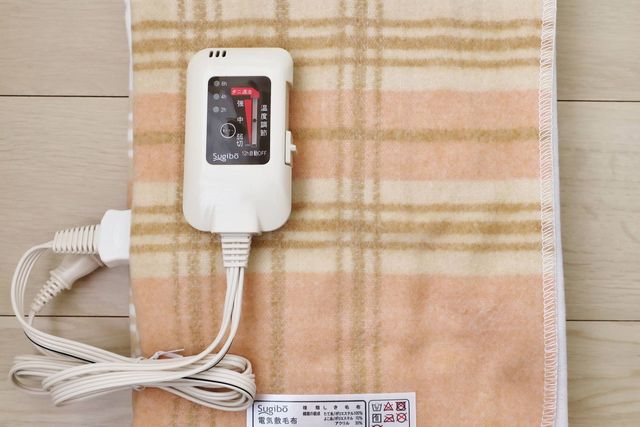
- Skip heating loads. Space heaters, kettles and hair dryers burn through watt hours fastest. An electric blanket at 100 W keeps you warm for many hours longer than a 1,500 W heater.
- Keep the fridge closed. Fewer openings mean the compressor runs less, and a closed fridge keeps food safe for up to 4 hours with no power at all, as our guide to food in the fridge without power explains.
- Size up for a fridge. If a fridge is on your list, compare models in our EcoFlow DELTA 3 Plus vs Jackery Explorer 1000 v2 comparison or step up to the 2,000 Wh class.
Safety notes
Power stations are designed for indoor use, which is a big reason people choose them over generators. Keep vents clear and follow the maker’s temperature limits. If you recharge from a fuel generator in a long outage, the generator must stay outdoors. The CPSC’s portable generator safety alert says to keep it at least 20 feet from the house with exhaust pointed away from doors, windows and vents.
For medical equipment, check with the device maker first. Jackery’s Explorer 1000 v2 page says it does not recommend the unit for medical or life support devices. If you plan to run a CPAP, our guide to choosing a power station for a CPAP works out nights of runtime with the humidifier on and off.
For winter outages, see how runtime changes with heat. A space heater lasts minutes, as our space heater guide shows, while an electric blanket lasts hours.
Bottom line
A 1000Wh power station lasts roughly 8 to 9 hours on 100 W, about a day for a laptop and minutes for a heater. A 2000Wh class station doubles that. Work out your own list with the power station runtime calculator, then compare stations in our home backup buying guide.
Hero photo by Qurren via Wikimedia Commons, licensed CC BY-SA 4.0, cropped and resized.
Frequently asked questions
How long will a 1000Wh power station last?
It depends on the load. Multiply 1,000 Wh by 0.85 for inverter and conversion losses to get about 850 usable watt hours, then divide by your device's watts. That gives about 17 hours at 50 W, 8.5 hours at 100 W, 3.5 hours at 240 W and around 34 minutes at 1,500 W. Jackery's own example puts its 1,070 Wh Explorer 1000 v2 at about 9 hours on a 100 W device.
How long will a 2000W power station last?
A 2000W rating is output power, not capacity, so check the watt hours on the spec sheet. Many 2000W class stations hold about 2,000 Wh, such as Jackery's Explorer 2000 v2 at 2,042 Wh. At 0.85 efficiency that is about 1,700 usable watt hours, or roughly 17 hours at 100 W, 8.5 hours at 200 W and under an hour at the full 2,000 W.
Can a 1000Wh power station run a refrigerator?
Usually yes, for a while. A fridge cycles on and off, so its average draw is far below its peak. Virginia Tech Extension lists a 16 cubic foot frost free fridge at 725 W and notes fridges run about a third of the time, which gives a cautious average near 240 W and about 3.5 hours from 1,000 Wh. Many modern fridges use less, so use our refrigerator runtime calculator with your model's figures.
Why does my power station run out sooner than the math says?
The inverter that makes AC power loses energy as heat, the station keeps some reserve, and its own electronics draw power while on. In OutdoorGearLab's lab tests, measured usable AC capacity ranged from 75 to 93 percent of the claimed watt hours. Motor starts, cold weather and devices that draw more than their label also shorten runtime.
How many years does a power station last?
Battery chemistry matters most. Jackery rates the LiFePO4 Explorer 1000 v2 for 4,000 cycles to 70% or more of its capacity and EcoFlow rates the DELTA 2 Max for 3,000 cycles to 80%. If you fully cycled one every day, 3,000 cycles would be a little over eight years. Most backup stations cycle far less often than that.
Can a power station run a CPAP or other medical device?
Many people use one for a CPAP, but check with your device maker and doctor first. Jackery, for example, says it does not recommend the Explorer 1000 v2 for medical or life support devices. If a device is life sustaining, register with your utility and have a plan that does not rely on one battery.
Thanks! You're on the list. Download your checklist now.